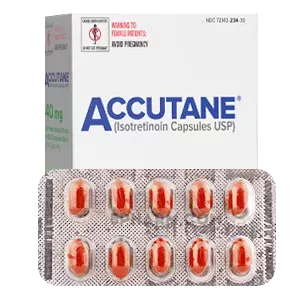
Roaccutane is a brand name for isotretinoin, an oral retinoid used primarily for severe nodular or cystic acne, acne that risks scarring, or acne that has failed adequate courses of systemic antibiotics and topical therapy. By shrinking overactive sebaceous (oil) glands, normalizing skin cell shedding, and reducing Cutibacterium acnes–driven inflammation, isotretinoin addresses the root causes of chronic breakouts rather than just their symptoms. For many patients, one carefully monitored course results in prolonged remission or substantial reduction in acne severity, with improvements in texture, oiliness, and scarring risk.
Dermatologists may also consider isotretinoin for select off‑label indications—such as refractory folliculitis, severe hidradenitis suppurativa, or rosacea with phymatous changes—on a case‑by‑case basis. However, acne remains the principal, FDA‑approved indication. Because isotretinoin carries significant risks (especially in pregnancy), its use is reserved for cases where potential benefits outweigh potential harms, and where the patient can commit to strict monitoring and risk mitigation steps throughout therapy.
Isotretinoin dosing is individualized. A common approach starts around 0.5 mg/kg/day, divided once or twice daily, then titrates toward 1 mg/kg/day as tolerated. Many dermatologists aim for a total “cumulative dose” over the course of treatment—often in the 120–150 mg/kg range—because this target is associated with lower relapse rates. Typical treatment lasts 4–6 months, though some individuals require longer or a second course after a relapse. Your prescriber will set goals and adjust pacing based on side effects, lab results, and acne response.
Directions for use depend on the specific formulation. Traditional capsules absorb best with a meal containing fat; check your product’s instructions, as some newer formulations have different food requirements. Always swallow capsules whole with water. Do not crush or open them. Take doses at consistent times daily, and do not share your medication. If pronounced side effects arise—such as severe headache, visual changes, significant abdominal pain, or mood changes—contact your clinician promptly for guidance on dose adjustment or further evaluation.
Before starting, many clinicians obtain baseline labs (for example, liver enzymes and fasting lipids), pregnancy testing when applicable, and a review of mental health history and current medications. During treatment, monthly check‑ins (virtual or in‑person) are typical for dose adjustment, side effect assessment, and any required lab monitoring. Most patients also benefit from a supportive skin‑care routine to manage dryness throughout the course.
Pregnancy prevention and monitoring are the most critical precautions with isotretinoin. The drug is highly teratogenic; exposure during pregnancy can cause serious birth defects or pregnancy loss. In the U.S., all patients who can become pregnant must enroll in a risk management program, use effective contraception starting at least one month before therapy, continue throughout treatment, and for at least one month after the last dose. Monthly pregnancy testing is required while on isotretinoin and in the month following discontinuation.
Liver and lipid effects are common. Isotretinoin can elevate triglycerides and cholesterol, and may mildly raise liver enzymes. Your clinician may advise lifestyle measures—such as limiting alcohol, optimizing diet, and exercising—to help manage lipid levels. If triglycerides rise significantly, the regimen may be paused or the dose lowered to reduce pancreatitis risk. Routine lab monitoring helps track these changes and guide adjustments.
Dryness of the skin, lips, and eyes is expected. Prepare with lip balms (preferably petrolatum‑based), gentle fragrance‑free cleansers, rich moisturizers, and artificial tears if you wear contact lenses. Avoid abrasive scrubs, alcohol‑based toners, high‑strength exfoliants, and waxing. Because skin is thinner and more fragile on isotretinoin, postpone elective cosmetic procedures (chemical peels, dermabrasion, laser resurfacing, microneedling) until at least 6 months after completion to reduce scarring risk.
Photosensitivity can occur. Use broad‑spectrum SPF 30+ sunscreen, reapply every two hours when outdoors, wear protective clothing and sunglasses, and seek shade as needed. Some people experience decreased night vision—use caution when driving at night and report any visual disturbances. If you develop persistent severe headaches, nausea, or visual changes, stop the medication and seek urgent evaluation for rare intracranial hypertension.
Mood changes have been reported in some patients. A causal link remains debated, but it is prudent to screen for depression, anxiety, and history of mood disorders, and to monitor closely. Communicate promptly about any mood shifts, irritability, unusual sadness, or thoughts of self‑harm. Collaborative care with a mental health professional can support safe treatment when indicated.
Do not donate blood during treatment or for at least one month after your last dose to avoid exposing a pregnant recipient to isotretinoin. Store capsules safely away from children, adolescents, or pregnant individuals—accidental exposure can be dangerous. Never share this medication.
Isotretinoin is contraindicated in pregnancy and breastfeeding. It should not be used by individuals planning to conceive within one month after therapy ends. People with hypersensitivity to isotretinoin or any capsule components should avoid it; some formulations contain soybean or peanut oil, which is relevant for patients with allergies to these excipients.
Severe hepatic impairment and uncontrolled hyperlipidemia are generally incompatible with isotretinoin use. Pre‑existing hypervitaminosis A is a contraindication as isotretinoin is a retinoid (vitamin A derivative). Concomitant tetracycline antibiotics are not recommended due to the risk of raised intracranial pressure. Caution is also warranted in patients with significant bone disorders, eating disorders affecting lipid metabolism, or certain psychiatric conditions without adequate support and monitoring.
Very common effects include cheilitis (chapped lips), dry skin, facial and body flaking, nose dryness or nosebleeds, eye dryness, and temporary worsening of acne early in the course. Many patients note scalp dryness and hair texture changes. These symptoms are typically manageable with moisturizers, emollient lip care, humidifiers, gentle cleansing, and dose adjustments if needed.
Systemic effects can include elevated triglycerides and cholesterol, mild transaminase elevations, fatigue, headaches, musculoskeletal aches (particularly back pain in adolescents), decreased night vision, and increased sun sensitivity. Less commonly, patients report gastrointestinal upset, joint pain, or mood changes. Lab abnormalities usually resolve after dose reduction or discontinuation, but they require monitoring.
Serious but rare adverse events include pancreatitis (often related to very high triglycerides), severe liver injury, inflammatory bowel disease signals (controversial, but new or severe abdominal pain, diarrhea, or bleeding warrant evaluation), severe skin reactions (like Stevens–Johnson syndrome), anaphylaxis, or pseudotumor cerebri (intracranial hypertension) when combined with tetracyclines. If you notice severe headache with visual changes, persistent vomiting, chest pain, shortness of breath, weakness or numbness on one side of the body, or a rash with blisters and fever, stop the medication and seek urgent care.
To reduce dryness and irritation: switch to a gentle, non‑foaming cleanser; moisturize twice daily; apply a broad‑spectrum sunscreen every morning; carry a hydrating lip balm; use saline nasal sprays for nose dryness; and consider artificial tears for eye irritation. Avoid contact lenses if they become uncomfortable and resume once dryness improves.
Avoid vitamin A supplements and other retinoids (oral or topical) while taking isotretinoin to prevent additive toxicity. Do not combine isotretinoin with tetracycline‑class antibiotics (e.g., doxycycline, minocycline) due to the risk of pseudotumor cerebri. Use caution with systemic corticosteroids or high‑dose, long‑term phenytoin because of additive effects on bone health.
Alcohol can worsen lipid elevations and strain the liver; many clinicians recommend minimizing or avoiding alcohol during treatment, especially if triglycerides are borderline or rising. St. John’s wort may reduce the efficacy of hormonal contraceptives; because robust pregnancy prevention is essential, discuss all supplements with your prescriber. Notably, low‑dose progestin‑only “minipills” (microdosed formulations) may be less reliable during isotretinoin treatment—most programs recommend two effective methods of contraception, typically a highly effective primary method plus a barrier method.
Topical keratolytics, benzoyl peroxide, and retinoids may be too irritating when combined with isotretinoin; your dermatologist can tailor a simple, gentle regimen during therapy and re‑introduce actives after your skin barrier recovers.
If you miss a dose, take it as soon as you remember unless it’s close to the time for your next dose. If it is near the next scheduled dose, skip the missed dose and resume your regular schedule. Do not double up to “catch up”—this increases side effect risk without improving outcomes. If you miss doses frequently, contact your care team for strategies to improve adherence or to discuss whether a once‑daily schedule (if appropriate for your formulation) may be easier for you.
Signs of acute isotretinoin overdose resemble vitamin A toxicity and may include severe headache, vomiting, facial flushing, cheilitis, dizziness, abdominal pain, and unsteady gait. Very high exposures can contribute to liver injury or increased intracranial pressure. If an overdose is suspected, seek immediate medical attention or contact poison control. Do not attempt to induce vomiting unless instructed by a healthcare professional. Bring the medication packaging to the medical facility so clinicians can verify the product and strength.
Store isotretinoin at controlled room temperature (generally 20–25°C/68–77°F) in its original packaging to protect from light and moisture. Keep the blister pack or bottle tightly closed and out of reach of children, teens, pets, and anyone who is or could become pregnant. Do not store in the bathroom where humidity fluctuates. Do not use after the expiration date. When you finish treatment or if capsules are no longer needed, dispose of them through a medication take‑back program; if none is available, follow FDA guidance for safe disposal in household trash—never share or resell.
In the United States, isotretinoin is an FDA‑approved medication available only by prescription and dispensed under a restricted distribution program designed to prevent fetal exposure. Prescribers, pharmacies, and patients who can become pregnant must comply with stringent requirements, including verified negative pregnancy tests, use of effective contraception, and monthly authorization windows. It is not legal for legitimate pharmacies to supply isotretinoin without a valid prescription from a licensed clinician.
Be cautious of online offers that claim to sell isotretinoin “no prescription needed.” Such sources may be unsafe, counterfeit, sub‑ or super‑potent, or operate outside U.S. law, and they bypass essential safety checks that protect you. The safe, legal path is to consult a board‑certified dermatologist or qualified prescriber—either in person or via teledermatology in states where it’s offered—complete required enrollment and counseling, and fill your prescription at a licensed pharmacy.
Access tips: schedule an evaluation to confirm that isotretinoin is appropriate for your acne and health profile; discuss contraception plans well in advance; arrange baseline labs; and plan for monthly follow‑ups. Many insurers cover isotretinoin for severe or refractory acne; co‑pays and prior authorizations vary. If you are uninsured, ask about generic isotretinoin pricing and pharmacy discount programs, and request a written prescription so you can compare costs at different pharmacies. Assistance programs may be available for eligible patients through manufacturers or third‑party foundations.
Bottom line: In the U.S., there is no lawful “workaround” to obtain isotretinoin without a prescription or outside the mandated risk‑management framework. Working with a licensed clinician ensures you receive verified medication, monitoring for side effects, and evidence‑based guidance that maximizes acne clearance while minimizing risks.
Roaccutane is a brand of isotretinoin, a powerful oral retinoid that drastically reduces sebum production, shrinks oil glands, normalizes skin cell turnover, and calms inflammation. By targeting the root drivers of severe acne, it helps prevent new lesions and reduces the risk of scarring.
It’s typically reserved for people with severe nodulocystic acne, acne that scars, or acne that hasn’t responded to antibiotics, hormonal therapy, and prescription topicals. A clinician assesses medical history, pregnancy risk, labs, and prior treatments before prescribing.
Most courses last around 4–6 months, though duration varies with response and tolerability. Some patients need longer or repeat courses if acne is very persistent.
Many notice improvement by 6–8 weeks, with continued gains through the full course. Early flare-ups can happen in the first few weeks before steady clearing.
Dry lips and skin, nosebleeds, dry eyes, and sun sensitivity are very common due to reduced oil. Joint aches, elevated triglycerides, and mild liver enzyme changes can occur and are monitored.
Isotretinoin is highly teratogenic—exposure during pregnancy can cause severe birth defects. Strict pregnancy prevention measures, monthly tests, and enrollment in a risk management program (such as iPLEDGE in the U.S.) are mandatory.
Yes. Clinicians commonly monitor liver enzymes and lipids and may check blood counts. Monitoring frequency depends on personal risk factors, dose, and local guidelines.
Some patients report mood changes or depressive symptoms, but large studies show mixed evidence on causation. Any new or worsening mood symptoms should be reported promptly and monitored closely.
Alcohol can exacerbate triglyceride elevation and liver strain. Many clinicians advise avoiding or limiting alcohol during treatment and for a period after, based on your lab results.
Choose gentle, fragrance-free cleansers, rich moisturizers, and lip balms; avoid harsh scrubs and strong acids. Daily broad-spectrum sunscreen is essential due to increased sun sensitivity.
Many patients achieve long-term remission, but some experience relapse months to years later. If acne returns, topical maintenance or a short additional course may be considered.
Avoid vitamin A supplements because isotretinoin is a vitamin A derivative and excess can increase toxicity. Discuss all supplements, including herbal products, with your prescriber.
Dry eyes may make contacts uncomfortable. Lubricating drops can help, but some people switch to glasses temporarily during treatment.
By reducing deep, inflamed lesions, isotretinoin can help prevent new scars. Existing scars usually need targeted procedures (e.g., microneedling, lasers) after the skin has recovered.
No. Blood donation is restricted during treatment and for a period after finishing to prevent exposing a pregnant recipient to isotretinoin.
An initial flare can occur as pores clear and inflammation shifts, typically in the first few weeks. It usually settles as treatment continues and can be managed by your clinician.
Take it when remembered the same day if possible; skip if it’s close to the next dose. Do not double up, and keep your prescriber informed if doses are frequently missed.
Traditional formulations absorb better with a fatty meal. Some newer formulations are designed for improved absorption and may be less dependent on food; follow your specific product guidance.
Avoid other vitamin A derivatives, strong exfoliants, and procedures that injure skin (like waxing or dermabrasion). Always review prescription drugs (including tetracyclines) and over-the-counter products with your clinician.
Most clinicians recommend delaying aggressive procedures (e.g., ablative lasers, deep peels) for several months after completion. Timing depends on your skin’s recovery and the procedure planned.
Roaccutane is a brand name; generic isotretinoin contains the same active ingredient and works the same. Differences are mostly in packaging, capsule excipients, and cost, not clinical effect when dosed equivalently.
Absorica/Absorica LD is formulated to enhance absorption and may be less dependent on a high-fat meal. Roaccutane and standard generics generally absorb better with food; clinicians choose based on access, cost, and patient needs.
These are different brands of isotretinoin with comparable efficacy when dosed appropriately. Minor differences in excipients and capsule size may affect tolerance for some individuals, but outcomes are similar.
Roaccutane (oral isotretinoin) is far more potent and is used for severe or scarring acne. Topical tretinoin treats mild-to-moderate acne and is often used as maintenance after an oral isotretinoin course.
Adapalene is a topical retinoid effective for comedones and mild-to-moderate inflammatory acne with a favorable irritation profile. Roaccutane is reserved for severe, refractory, or scarring acne unresponsive to topical regimens.
Tazarotene is a strong topical retinoid that can help resistant comedonal acne and hyperpigmentation but may be irritating. Roaccutane treats deep, nodular acne systemically when topicals fail or scarring risk is high.
No. Acitretin is mainly used for psoriasis and has a very long pregnancy avoidance window after therapy. Roaccutane (isotretinoin) is the retinoid of choice for severe acne due to better efficacy in that disease.
Alitretinoin is indicated in some countries for severe chronic hand eczema unresponsive to other treatments. Roaccutane is indicated for severe acne; they are not interchangeable and target different conditions.
Lower daily doses can reduce dryness and aches while still improving acne, especially in adult, persistent acne. Choice of dose and cumulative exposure is individualized by the prescriber to balance clearance and tolerability.
Continuous daily dosing is standard and best studied for durable remission. Intermittent schedules may help tolerability in select cases but can be less predictable for long-term control.
Micronized or lipid-based formulations can improve absorption consistency and reduce reliance on fatty meals. Clinical clearance rates are comparable when overall exposure is similar; cost and convenience guide selection.
After a successful course, many continue topical retinoids (adapalene, tretinoin, or tazarotene) to maintain results and minimize relapse. Systemic therapy is typically not continued long term unless acne recurs significantly.
OTC retinol/retinaldehyde are gentler and help with comedones and texture but are not sufficient for severe, scarring acne. Roaccutane is a prescription systemic therapy that targets oil glands and inflammation at their source.
For most mild-to-moderate acne, a topical retinoid plus benzoyl peroxide is first-line and highly effective. Roaccutane is considered when this approach and other prescriptions (like antibiotics or hormonal therapy) fail or scarring risk is high.